
Analysis on AI and online radicalization intervention models and risk protocols by Anna Corsaro, Daniel Djouder, and HEMEIS

AI and Online Radicalization: Intervention Models and Risk Protocols

Online radicalization is no longer confined to fringe platforms or isolated forums. It is a dynamic, multi-vector phenomenon that evolves across mainstream social media, encrypted messaging apps, gaming environments, and decentralized networks. The proliferation of digital content, combined with system-driven amplification and anonymity, has created fertile ground for ideological recruitment, behavioral conditioning, and operational mobilization. 

Surveillance Systems: A Comparative Analysis of U.S. and EU Models

Surveillance Systems: A Comparative Analysis of U.S. and EU Models

Strategic surveillance systems are no longer experimental. They are operational tools embedded in law enforcement, border control, and public safety infrastructures across democratic societies. These systems rely on computational forecasting to anticipate criminal behavior, allocate resources, and guide intervention strategies. While their promise lies in efficiency and foresight, their risks are embedded in opacity, bias,…

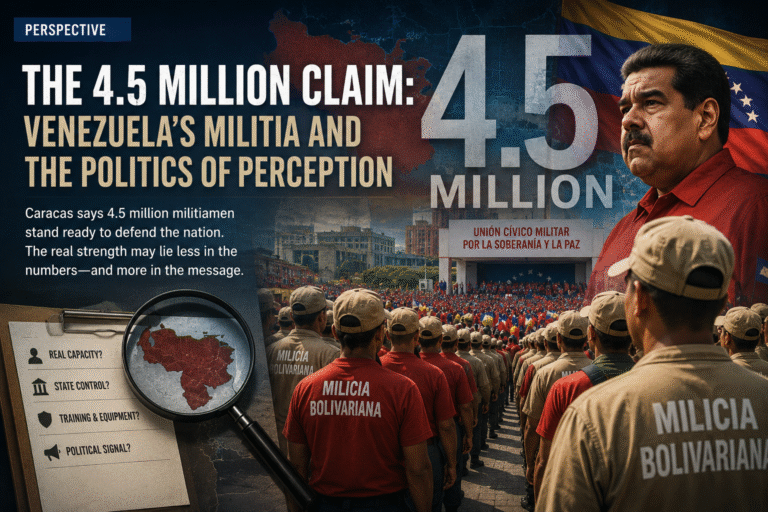
Analysis on the 4.5 million claim regarding Venezuela's militia and the politics of perception by Anna Corsaro, Daniel Djouder, and HEMEIS

PERSPECTIVE: The 4.5 Million Claim: Venezuela’s Militia and the Politics of Perception

This article examines the mobilization announced by Nicolás Maduro as a strategic narrative device—symbolic in scale, ideological in function, and territorial in presence. This framing informs the subsequent analysis across statistical, ideological, and territorial dimensions. 

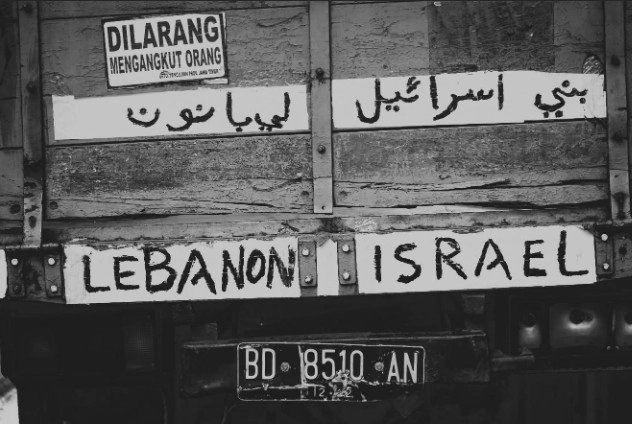
Analysis on the Hezbollah disarmament push and fears of strategic collapse by Anna Corsaro, Daniel Djouder, and HEMEIS
|

Hezbollah Disarmament Push Raises Fears of Strategic Collapse

In the wake of renewed international pressure and internal fragmentation, the debate over Hezbollah’s disarmament has resurfaced with strategic urgency. The current pressure to disarm Hezbollah is not a tactical adjustment. It is a test of Lebanon’s structural integrity. The demand for disarmament, whether framed as a national security imperative or an international expectation, exposes…

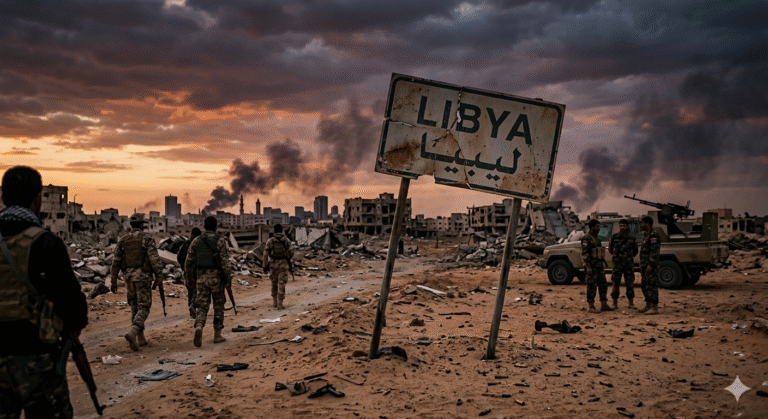
Analysis on Libya and the challenge of fragmented legitimacy in a post-territorial insurgency by Anna Corsaro, Daniel Djouder, and HEMEIS

Libya and the Challenge of Fragmented Legitimacy in a Post-Territorial Insurgency

Libya is frequently described as a failed state. In reality, it represents a fragmented system of negotiated legitimacy, where governance is not absent but distributed, contested, and repurposed. This article examines how terrorist actors exploit Libya’s fractured landscape—not by seizing territory, but by embedding within its ambiguity. Through adaptive posture, digital presence, and narrative alignment,…

Analysis on ISIS in 2025 regarding the silent resurgence by Anna Corsaro, Daniel Djouder, and HEMEIS

ISIS 2025: The Silent Resurgence

“When an ideology loses its center, it does not vanish—it multiplies into operational fractals, adapting where geography withdraws and control disintegrates.” After months of asymmetric escalation between Israel, Iran, and the United States, the Middle Eastern theater is taking shape as a new architecture of controlled chaos. The global spotlight remains fixed on drones, ICBMs,…